Joshua Frank's 'Bad Energy' Critiques Sloppy Renewable Deployment
The book argues that solar and wind projects must be sited with ecological care to avoid repeating the mistakes of the nuclear industry.
By Grace Kim ·
Joshua Frank, Managing Editor of CounterPunch, has published a new book titled 'Bad Energy' that argues the transition to renewable power is being executed with excessive haste and ecological disregard. Frank contends that while renewable sources are essential, the current rush to deploy them often prioritizes speed and corporate profit over environmental integrity, mirroring the careless practices of the nuclear industry he has long criticized.
The core conflict of the book is the tension between the urgent need to replace fossil fuels and the risk of damaging local ecosystems through poorly planned infrastructure. Frank posits that no technology is perfect and that installing 'solutions' without careful site selection can worsen environmental conditions rather than improve them. He specifically targets the nuclear sector, noting that the Nuclear Regulatory Commission allows reactor owners to operate without private liability insurance, a rule in place since 1957. Frank points to the case of Dr. Michael Peck, an NRC inspector who warned of earthquake risks at California's Diablo Canyon and was subsequently removed from the Commission.
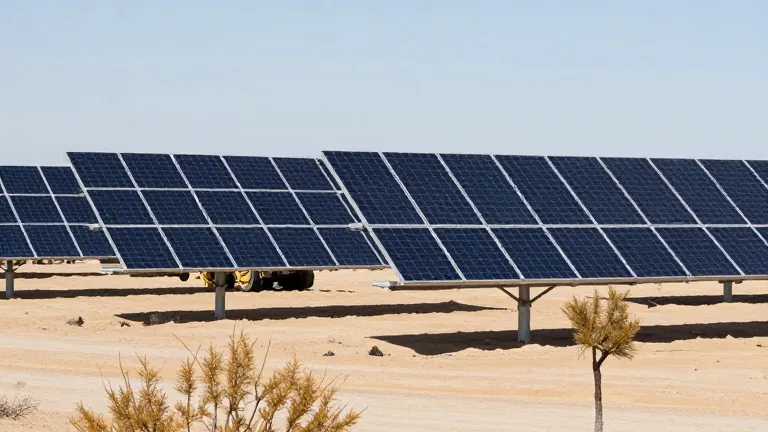
Frank’s critique extends to solar energy, which he describes as vital but often mismanaged. He cites a Los Angeles Times report that proposed clearing rare Joshua Trees to make room for a large solar farm. Frank argues that thousands of square yards of rooftops in the Los Angeles area could host panels instead, serving both to generate electricity and to deflect heat. He questions the logic of destroying desert ecology for industrial-scale farms when residential and rooftop options remain available.
The author also examines wind and geothermal energy, noting that turbines can kill birds when sited carelessly and that geothermal facilities have been placed in locations sacred to native peoples, particularly in Hawaii. Frank advocates for 'agri-voltaics,' where power installations serve both the ecosystem and food supply, and suggests covering water canals with panels to reduce evaporation and cool the equipment.
Frank emphasizes that the global energy transition must also address social justice disparities. He writes that the average person in Bangladesh consumes less electricity annually than a single kitchen refrigerator. He warns that capitalism treats energy technologies as products to be sold rather than systems to be managed with humility.
The book calls for a 'Solartopian' future driven by photovoltaics, wind, geothermal, and advanced batteries. Frank asserts that this transition requires careful engineering and monitoring to ensure it serves health, the economy, and the planet. He urges readers to view green technologies with the same scrutiny applied to nuclear power, ensuring that the shift away from fossil fuels does not create new environmental harms through glib illusions or sloppy deployment.