Tony Shalhoub Shares Nostalgic Recipe for Family Dirty Bread
The actor unveils a traditional Middle Eastern flatbread from his new cookbook, describing the dish that once seemed like topsoil to his childhood self.
By News Media House Staff ·
Award-winning actor Tony Shalhoub has released a new book titled We Thought They'd Never Leave: Musings on Food and Family. Written in collaboration with Josie Adams and published by Gallery Books, the collection explores the central role of food in family reunions. Alongside personal reflections, the book features various recipes that highlight the cultural significance of shared meals.
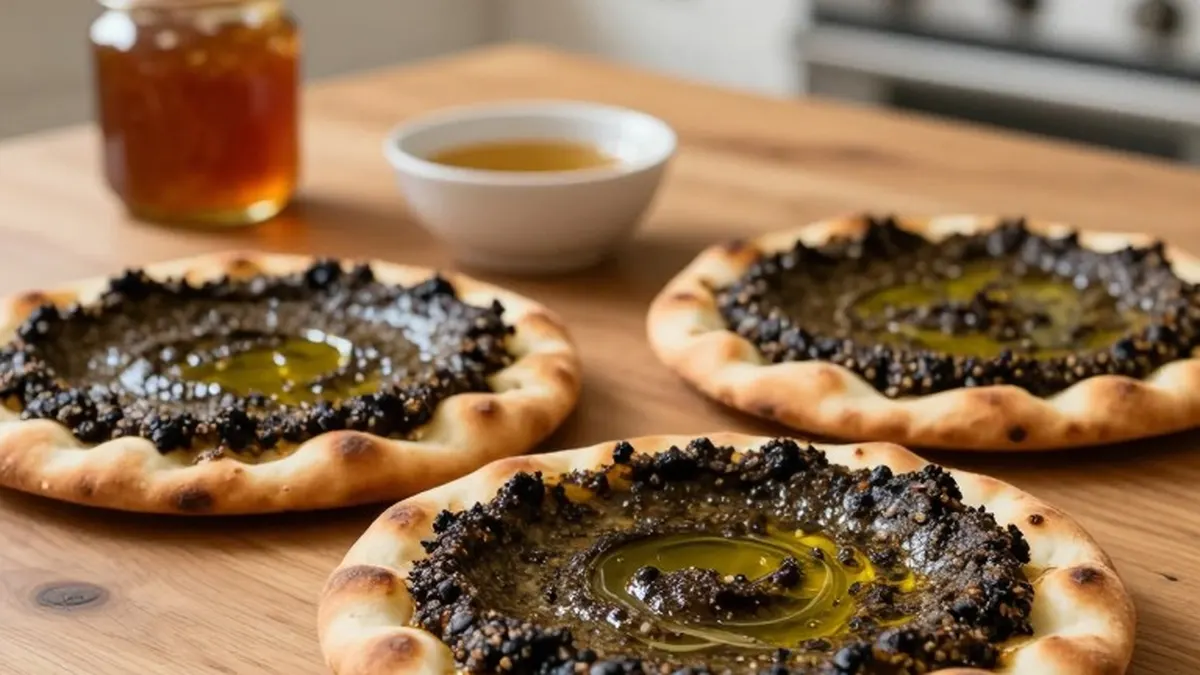
Shalhoub recently shared a specific recipe with viewers of Sunday Morning, focusing on a Middle Eastern staple known as manakeesh or zaatar bread. For Shalhoub and his siblings, this dish carried a more informal and humorous name during their childhood: dirty bread. The moniker was derived from the bread's appearance, which was smeared with a dark, gritty, and bespeckled oily coating.
The actor described how his family enjoyed the homemade flatbread in numerous ways. They ate it warm and soft or cool and crispy, often drizzled with honey, spread with jam, or dipped in labneh. Sometimes, the bread was wrapped around fresh greens or rolled into a cone to hold hummus or Greek olives. However, as children, they struggled to understand why adults insisted on covering the perfect flatbread with a slightly tart, bitter, and grainy topping.
To young Shalhoub, the addition of the zaatar mixture felt less like gilding the lily and more like graveling it. His mother would often describe the flavor as an acquired taste, a claim that was typically met with a collective eye roll from the children. The sentiment was one of polite skepticism, summarized simply as yeah, right.
The shift in perception for the family came gradually. One by one, as each sibling reached a certain age or perhaps a specific level of hunger, the appeal of the bread became clear. Whether it was the only snack available or the result of a dare, the children eventually tried the topping and understood its value. From that point forward, the dish became an essential part of their culinary habits.
The recipe for Dirty Bread, as listed in the book, yields three nine-inch round flatbreads. The dough requires warm water, unsalted butter, bread flour, extra-virgin olive oil, sugar, yeast, and coarse kosher salt. The topping consists of zaatar mixed with additional olive oil to create a spreadable paste.
To prepare the dough, ingredients are whisked together until dissolved, then kneaded until smooth and no longer tacky. The dough is allowed to rise for about an hour until it doubles in size. The oven is preheated to 500 degrees Fahrenheit with an upside-down baking sheet or stone placed on the middle rack to ensure a hot cooking surface.
Once risen, the dough is divided into three equal pieces and rolled out into circles approximately nine inches wide. These rounds are baked on the preheated surface for three to four minutes, flipped once, until they are cooked through and golden in spots. The zaatar and oil mixture is then brushed over the tops of the breads.
The flatbreads are returned to the oven for one to two additional minutes until the zaatar is sizzling and the edges begin to crisp. Shalhoub advises serving the bread warm as it comes out of the oven. For larger gatherings, he suggests planning for one flatbread per two or three people and multiplying the recipe quantities as needed.
The book is available in hardcover, eBook, and audio formats through various retailers including Amazon, Barnes & Noble, and Bookshop.org. This release adds to the 2026 Food Issue Recipe Index from Sunday Morning, offering readers more insights into the intersection of food and family memory.
Originally published by News Media House
More News · National news · Report a business · Got a Story?